The rise of anabolic steroids and other PIEDs
February 2024
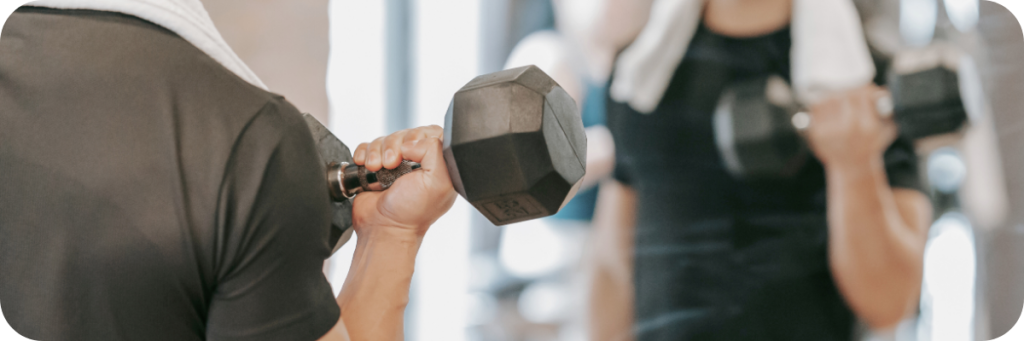
It's summertime and many people have been working hard at the gym to achieve the ‘perfect summer body.’
With peer and parental influences alongside seasonal increases in advertisements, social media posts and mass media images showing hyper muscular or lean bodies, many are feeling the pressure to conform to idealised and often unrealistic aesthetic standards.
We often focus on women and body image, but you might be surprised to know that 30–40% of men feel anxious about their weight and up to 85% are dissatisfied with their muscularity. These body image issues can have severe impacts on physical and mental health, in some cases leading to the illicit use of anabolic steroids and other performance and image enhancing drugs (PIEDs).
People use PIEDs for a range of reasons, with the most commonly reported reason being to enhance physical appearance. Other reported reasons are to build confidence, gain muscle and strength and for anti ageing purposes.
The use of anabolic steroids and other PIEDs is on the rise in Australia, with lifetime use of steroids increasing from 0.6% to 0.8% between 2016 and 2019. According to needle and syringe program data, there has been an increase in PIED use from 4% in 2018 to 7% in 2022. Two percent of high school students have used PIEDs to improve their sporting ability, increase muscle size, or improve appearance.
Harms from anabolic steroid use include testosterone deficiency, depressed mood, sleep disturbances and scarring and abscesses from injection. In men, it can lead to reduced semen production and swelling of the breast tissue. In women, it can result in the absence of menstruation and irreversible masculinisation, including the development of a masculine physique and deeper voice.
The anabolic steroid dependence syndrome is similar to other drugs—using larger amounts or using for longer periods than initially intended, unsuccessfully attempting to stop or reduce use or using other drugs to combat the adverse effects of withdrawal.
Healthcare settings
Prevention and harm reduction resources have been developed and evaluated, but people who currently or want to use PIEDs face barriers in accessing information and support. Health professionals report having little knowledge of anabolic steroids, do not feel confident in addressing anabolic steroid use and are unsure how best to engage people who use PIEDs.
People who use PIEDs are sometimes fearful of disclosing their use to health professionals, with one study finding that 56% of people who use anabolic steroids had never disclosed their use to a GP, even when they experienced adverse effects. Significant discrimination and stigma around anabolic steroid use can lead to people concealing their use.
Fitness settings
High rates of use can be found in certain settings such as fitness centres, with a global meta-analysis showing that rates of use can be up to 70% and one Australian study reporting that more than half of gym users have used PIEDs.
In 2021, our Principal Consultant Dr Katinka van de Ven was an expert witness in the case of a young man who passed away in a New South Wales gym after using PIEDs. The Magistrate of the court case recommended that fitness centres should develop and implement prevention and harm reduction measures around PIEDs use, but very little action in Australia has been taken since.
How we can help
If you are interested in learning about how we can provide your staff with evidence based training to help your organisation support people who use PIEDs, please feel free to contact us at workedge@360edge.com.au or on 1300 988 184 for a free and confidential discussion. Training can be tailored to a range of audiences, including fitness centres, health services, professional sport, schools, police and defence.
Are you interested building your skills in responding to alcohol and other drugs? Check out our diverse range of clinical practice workshops.
